Showing posts with label Posture. Show all posts

Friday, March 28, 2014

8 Tips For Keeping Your Back Healthy & Happy

Back pain is one of the most common reasons for missed work. In fact, the American Chiropractic Associate says back pain is the second most common reason for visits to the doctor’s office. So why live with it? We've got your back! Listed below are eight simple ways to keep your spine feeling happy.

1. Maintain good posture

2. Remember not to overload your backpack or purse

3. Exercise regularly

4. Stretch your legs and back after sitting for long periods of time

5. Sleep on your back or side, avoid sleeping on your stomach

6. Keep the phone out of the crick of your neck

7. Adopt a healthy diet

8. Have your spine checked by a chiropractic professional


Here's to a Healthy You
!

Dr. Matthew Fiebelkorn is a Stillwater Chiropractor who teaches, speaks, and writes about wellness and health issues for adults and children and on improving their quality of life through healthier lifestyle choices.  For more information on Dr. Fiebelkorn, visit his web site. Or Call Today (651)300-0150!

Tuesday, February 11, 2014

Understanding the State of Your Nervous System


Within the world of medicine it has been well understood for years that all diseases are classified into two categories: a state of under activity and/or a state of over activity.
Medicine’s traditional approach was to develop drugs that either jump started (stimulated) or slowed (depressed) the system to attempt a normal balance (homeostasis). This medical approach is still practiced today. We must consider that if the disease is a result of over or under arousal, and I believe it is, then “good health” must be a balanced state.
The Balanced State
A balanced state results in good health. In this balanced state a person would have: present time consciousness, good recovery ability, high energy, few symptoms, and resistance to infections, positive mental attitude, mental alertness and excellent health. This person looks younger than his/her years and remains active and vibrant. We can measure the vital signs of this state by the action of the normal physiological responses of your body. These measurements include heart rate, respiratory rate, hand temperatures, brain wave activity, and heart rate variability (ration between heart rhythm and respiratory rhythm and skin moisture).
So what if it isn’t normal?
This means that your system is working in a state of dis-ease. It cannot get along with all the activities and stresses in your life without consuming more energy than normal. Your system is now out of balance or stressed. There are four states of imbalance. These states are over-aroused, under-aroused, instable, and exhausted.
The Over-Aroused State
This state has high-energy demands. It is also the most common of the imbalanced systems as a result of the stressful lifestyle of the times. When stress is prolonged, the body’s responses stay in the high alert level longer than they were designed to, which creates damage to the system. The indications of a prolonged over-aroused nervous system are:
o Cold Hands,
o Tight Muscles,
o Grinding Teeth,
o Anxiety,
o Heart Palpitations,
o Restless Sleep,
o Poor Social Awareness,
o Poor Comprehension,
o Poor Expression of Emotion,
o Recurrent Infections,
o Multiple Competing Trains of Thought,
o High Blood Pressure,
o Accelerated Aging,
o Slowed Healing Responses,
o Irritable Bowel Syndrome
Remember now, every so-called “disease” is a result of either an over-stimulated or under-stimulated system! The signs and symptoms of this over-aroused state of the body are then grouped into various combinations and given the name of a specific disease (diagnosis). In truth, they are nothing more than manifestations of the system being out of balance in a prolonged over-aroused state. While it is true you can treat these symptoms with one form of care or another, drugs or surgery, the only question remains – by addressing the symptoms, are you doing anything to address the cause?
The Under-Aroused State
This state has “low energy” expressions. A classic example of an under stimulated nervous system is depression. It can be deceiving however, as in Attention Deficit Disorder, ADD. The misnomer of hyperactive on an ADD individual leads to a misunderstanding of the real problem. An ADD individual’s EEG, Electroencephalograph, does not demonstrate the over-aroused nervous system that one would expect from a hyper-active response pattern. It shows just the opposite. Their nervous response is just barely awake. The only method they know which will keep them awake and functioning is to keep moving and active. This is different than what we thought, isn’t it? The indications of an under-aroused nervous system are:
o ADD (including impulsivity, distraction and disorganization),
o Depression,
o Lack of Motivation,
o Poor Concentration,
o Spaced out,
o Hypoglycemia,
o Constipation,
o Low Pain Threshold,
o Difficulty Awakening,
o Cognitive Worry,
o Irritability,
o Incontinence, and
o Lack of Energy
Remember again, every so-called “disease” is a result of either an over-stimulated or under-stimulated system.
The Instable State
Here the view of the medical model of stimulate or depress treatment becomes out of date. While the concept is still valid, there is a twist in how it needs to be applied. The Instable State includes both over and under-aroused patterns plus adds a few of its own depending on its stage. This state exhibits a higher level of imbalance than either of the above and tends to move back and forth between over and under-arouse states. The system is now so stressed that any added stress creates havoc and the body’s reaction can swing wildly from over to under in a short period of time. This creates its own signs and symptoms beyond any of those found in the states above, which may include:
o Migraine Headaches,
o Seizures,
o Narcolepsy,
o Sleepwalking,
o Hot Flashes,
o PMS,
o Multiple Chemical Sensitivities,
o Bed Wetting,
o Eating Disorders,
o Bipolar Disorder,
o Mood Swings, and
o Panic Attacks
People with wide ranges of health challenges would fall into this state of imbalance.
The Exhausted State
This is the most dangerous of all. The system is now into chaos existence mode. It is so over-stressed that the body’s own systems are no longer able to work in harmony. This can be so severe that the body systems start attacking each other. Its own communication system is in such disarray that messages and responses no longer match. Unchecked it can lead to a life ending path. Health challenges include:
o All of those listed in Over-aroused
o Chronic Fatigue Syndrome,
o Epstein-Barr Syndrome,
o M.S.,
o Fibromyalgia, and
o Cancer.
Hurray!! You have made it to the solution from a genetically congruent Wellness point of view.
Neurologically Based Chiropractic (NBC)
The balanced-unbalanced system we are talking about is your wonderful Nervous System. It is the nervous system with which chiropractic works to restore your health. We can measure the state of your nervous system and show you why you are experiencing your health challenge. Once we have done that, then we can discuss your options, i.e. a program of care to help restore yourself to a normal health balance or recommend other options. If you feel you are in the instable group, it is very important that you tell your doctor.
This is not about treating a disease, as that is not what Chiropractors do. The intent of chiropractic is to help your nervous system return to a healthy balanced state, a state of ease and correct function by removing interference and retraining normal patterns of reaction to occur. Remember, your body does the healing. To date there isn’t one documented case where a doctor healed not even a fractured bone. Us doctors, guide, assist, recommend and facilitate our patients toward health. The individual, specifically the human body and its natural inner ability is what mends and heals the person.
At HealthSource Chiropractic of Stillwater, our job is to assess your nervous system and either jump starts it or slows it down by means of the chiropractic adjustment, restoring it to the wonderful, normal state of balance. In addition, we are able to offer additional retraining methods to augment the power of the chiropractic adjustment. So, today is the day to call our office at (651)300-0150. If you would like more information about our office, please visit us on the web.
As always, we welcome your feedback as well as the opportunity to help you and those you care about reach your optimum potential. Your health is your most valuable asset so please do not wait for symptoms to arise before you take action. Always remember to be proactive about your health, not reactive.
If you would like to find out more information about me,my practice, my philosophy or my Blog.

Thursday, February 6, 2014

4 Simple Exercises To Help Relieve Minor Back Pain


While this idea is a great one for the first 24 hours after injuring your back, prolonged inactivity can actually stiffen those injured muscles and make healing more difficult. Exercise on the other hand helps to strengthen the surrounding muscles and helps increase major blood flow to the injured area which promotes healing and often relieves the back pain making it more bearable. Exercising your back does not mean lifting weights or running a marathon. It means gentle exercise that helps stretch and strengthen your muscles. That being said here are 4 simple exercises that you can do at home that will help to relieve that back pain and strengthen your muscles to aid in healing and help prevent further injury.
The Reach
Stand with both feet together or slightly apart in front of a door. Slowly extend your arms over your head and reach as far as possible over the door jam while keeping your feet flat. Hold that position to the count of 10. You should feel the muscles in your back begin to stretch which is the entire purpose of this exercise. By stretching the muscles slowly, you can alleviate lower back pain and strengthen your muscles in the bargain.
Heal Raises (Also Called Tip Toes)
Once again stand straight up with your feet flat on the floor, shoulders back and head up. Slowly raise your heels up and down about 10 times. This exercise will provide a gentle pull and strengthening of the muscles in your thighs, buttocks and lower back region. Helping to reduce pain and aid healing.
Heel Slides
Lie flat on your back on the floor, slowly bend and straighten your knees one knee at a time alternating the legs. Bring your heel as close to your body as possible with each slide. Repeat 10 times. This exercise can be gradually increase to 20 times as the muscles become stronger and the pain lessens.
Straight Leg Raises
Once again lie flat on your back with one knee bent and the other leg straight. Tighten your abdominal muscles and slowly lift the straight leg about 6 to 8 inches off the floor. Hold it to the count of 6 and slowly lower it. Repeat changing legs. When starting out don't overdo this exercise start at about 5 repetitions or less and gradually increase to 10 repetitions.
Helpful Hints
Using a heating pad for 20 minutes followed by an ice pack for the same length of time both before and after doing these strengthening exercisers may help you to get through them easier. If any of these exercises causes the pain to drastically worsen stop immediately and seek medical care. However, keep in mind that there will be some discomfort initially which will fade as your muscles heal and gain more strength. Continuing these exercises after your back heals as part of a regular routine may help prevent re injury to your back muscles.
Dr. Matthew Fiebelkorn is a Stillwater Chiropractor who teaches,speaks, and writes about wellness and health issues for adults and children and on improving their quality of life through healthier lifestyle choices.  For more information on Dr. Fiebelkorn, visit his web site. Or Call Today (651)300-0150!

HealthSource Chiropractic of Stillwater
http://www.healthsourceofstillwater.com
651-300-0150

Sunday, January 26, 2014

Chiropractic: Back Pain Facts & Statistics


Back Pain Facts & Statistics

Although chiropractors care for more than just back pain, many patients visit chiropractors looking for relief from this pervasive condition.  In fact, 31 million Americans experience low-back pain at any given time.1
A few interesting facts about back pain:
  • Low back pain is the single leading cause of disability worldwide, according to the Global Burden of Disease 2010.
  • One-half of all working Americans admit to having back pain symptoms each year.2
  • Back pain is one of the most common reasons for missed work.  In fact, back pain is the second most common reason for visits to the doctor’s office, outnumbered only by upper-respiratory infections.
  • Most cases of back pain are mechanical or non-organic—meaning they are not caused by serious conditions, such as inflammatory arthritis, infection, fracture or cancer.
  • Americans spend at least $50 billion each year on back pain—and that’s just for the more easily identified costs.3
  • Experts estimate that as many as 80% of the population will experience a back problem at some time in our lives.4
What Causes Back Pain?
The back is a complicated structure of bones, joints, ligaments and muscles. You can sprain ligaments, strain muscles, rupture disks, and irritate joints, all of which can lead to back pain. While sports injuries or accidents can cause back pain, sometimes the simplest of movements—for example, picking up a pencil from the floor— can have painful results. In addition, arthritis, poor posture, obesity, and psychological stress can cause or complicate back pain. Back pain can also directly result from disease of the internal organs, such as kidney stones, kidney infections, blood clots, or bone loss.
Manipulation as a Treatment for Back Problems
Used primarily by Doctors of Chiropractic (DCs) for the last century, manipulation has been largely ignored by most others in the health care community until recently. Now, with today's growing emphasis on treatment and cost effectiveness, manipulation is receiving more widespread attention.
Chiropractic spinal manipulation is a safe and effective spine pain treatment. It reduces pain, decreases medication, rapidly advances physical therapy, and requires very few passive forms of treatment, such as bed rest.5
In fact, after an extensive study of all currently available care for low back problems, the Agency for Health Care Policy and Research—a federal government research organization—recommended that low back pain sufferers choose the most conservative care first. And it recommended spinal manipulation as the only safe and effective, drugless form of initial professional treatment for acute low back problems in adults.6
A patient information article published recently in the Journal of the American Medical Association also suggested chiropractic care as an option for people suffering from low back pain--and noted that surgery is usually not needed and should only be tried if other therapies fail.7
The American Chiropractic Association (ACA) urges you to make an informed choice about your back care. To learn more about how the services of doctors of chiropractic may help you, review the results of recent research studies and contact a Doctor of Chiropractic in your area. Search our online database of ACA members to find a doctor of chiropractic near you.
Tips to Prevent Back Pain
  • Maintain a healthy diet and weight.
  • Remain active—under the supervision of your doctor of chiropractic.
  • Avoid prolonged inactivity or bed rest.
  • Warm up or stretch before exercising or other physical activities, such as gardening.
  • Maintain proper posture.
  • Wear comfortable, low-heeled shoes.
  • Sleep on a mattress of medium firmness to minimize any curve in your spine.
  •  Lift with your knees, keep the object close to your body, and do not twist when lifting.
  • Quit smoking. Smoking impairs blood flow, resulting in oxygen and nutrient deprivation to spinal tissues.
  • Work with your doctor of chiropractic to ensure that your computer workstation is ergonomically correct.

Dr. Matthew Fiebelkorn is a Stillwater Chiropractor who teaches,speaks, and writes about wellness and health issues for adults and children and on improving their quality of life through healthier lifestyle choices.  For more information on Dr. Fiebelkorn, visit his web site. Or Call Today (651)300-0150!

HealthSource of Stillwater
http://www.healthsourceofstillwater.com
651-300-0150

Tuesday, January 21, 2014

Chiropractic and Sports Injuries: Stillwater, MN 55082


Sports Injuries

Participation in sports or exercise is an important step in maintaining your health. Exercise strengthens your heart, bones, and joints and reduces stress, among many other benefits. Unfortunately, injuries during participation in sports are all too common. Often, these injuries occur in someone who is just taking up sports as a form of activity, doesn’t use proper safety equipment, or becomes overzealous about the exercise regimen.
The more commonly injured areas of the body are the ankles, knees, shoulders, elbows, and spine. Remember that you should discuss any exercise program with your doctor of chiropractic before undertaking such activities.
Strains and Sprains
Although bones can sometimes be fractured with acute sports injuries, the most commonly injured structures are the muscles, tendons, and ligaments. Tendons attach muscles to bones, and ligaments attach one bone to another.
An acute twisting or overextension of a joint can lead to tears of muscles and tendons, called “strains,” and tears of ligaments result in “sprains.” These tears range from mild to severe. In mild injuries, just a few fibers are torn or stretched. Severe injuries, where there is a tear through the full thickness of the structure, are most often considered unstable injuries and frequently require surgical intervention. The intervertebral disc, a ligament between the vertebrae of the spine that works as a shock absorber, can also be torn, resulting in a disc bulge and/or herniation.
Ankle sprains most often involve tears of one or more of the ligaments along the outside of the ankle. Knee ligaments, including the larger external supportive ligaments and the smaller internal stabilizing ligaments, can also be torn. The cartilage on the back of the patella (knee-cap) can also become eroded from overuse, leading to a condition termed chondromalacia patella.
Tendinosis
In those who are training too much, overuse of a particular joint or joints in the body can result in pain and dysfunction. These injuries are called “overuse syndromes.” A common overuse injury is tendinosis, also called tendinitis. In this condition, the tendon becomes inflamed from repetitive use. In the shoulder, the rotator cuff (a complex of muscles that stabilizes and moves the shoulder) becomes inflamed, resulting in rotator cuff tendinitis. Tennis elbow is another form of tendinitis that occurs along the outside of the elbow, most commonly in tennis players. In golfer’s elbow, the tendons on the inside of the elbow are affected.
Stress Fractures
Some athletes may experience a stress fracture, also called a fatigue fracture. This type of fracture occurs when an abnormal amount of stress is placed on a normal bone. This might occur in a runner who rapidly increases the amount of mileage while training for a race. Stress fractures also occur in people who begin running as a form of exercise but overdo it from the start, rather than gradually progress to longer distances.
One final common injury is worth mentioning, and that is shin splints. This overuse injury is caused by microfractures on the front surface of the tibia (shin bone). This is most often seen in runners, although other athletes can also be affected.
Diagnosis and Treatment
Sports injuries are most often diagnosed from the history of the activity that brought on the pain, along with a physical examination. In some cases, x-rays are necessary to rule out a fracture. Magnetic resonance imaging (MRI) and diagnostic ultrasound are also used in finding soft-tissue injuries, like tendinitis and sprains.
Fractures require the application of some stabilizing device, such as a cast, after the bone is put back into position. Rarely, surgical intervention is required. There is a relatively standard treatment protocol for most of the other overuse types of injuries. This protocol involves the following:
Rest
Generally no more than 48 hours of rest and/or immobilization is needed, depending on the severity of the injury. In most cases, the sooner the person becomes active after an injury, the more rapid is the recovery. In fact, long-term immobilization can sometimes be harmful to recovery. Your doctor of chiropractic will guide this process, as too early a return to activity, choosing the wrong type of activity, or excessive activity can be detrimental.
Ice or heat
Ice or heat can be helpful with pain reduction and tissue healing.
Compression
Compression of the area may reduce the amount of swelling from the injury. Your doctor of chiropractic will determine if this will be beneficial in your case.
Elevation
Elevation of the injured arm or leg above the level of the heart is thought to be helpful in reducing swelling.
Pain relievers
Recent research has demonstrated that some nonsteroidal anti-inflammatory drugs may actually slow the healing process by restricting the body’s natural healing mechanisms, so they should be used sparingly.
Joint manipulation
Recent research has shown us that, in some cases, joint manipulation can be helpful with pain reduction and more rapid recovery. Your doctor of chiropractic will determine if this procedure will be helpful in your case.
A Word about Prevention
In many cases, sports injuries can be prevented. Proper conditioning and warm-up and cool-down procedures, as well as appropriate safety equipment, can substantially reduce injuries. Understanding proper techniques can also go a long way toward preventing injuries.
Sufficient water intake is also an important preventive measure.


Dr. Matthew Fiebelkorn is a Stillwater Chiropractor who teaches,speaks, and writes about wellness and health issues for adults and children and on improving their quality of life through healthier lifestyle choices.  For more information on Dr. Fiebelkorn, visit his web site. Or Call Today (651)300-0150!
HealthSource Chiropractic of Stillwater
http://www.healthsourceofstillwater.com
651-300-0150

Wednesday, January 15, 2014

Chiropractic for Automobile Accidents: Stillwater, MN 55082

Whiplash

Whiplash is a generic term applied to injuries of the neck caused when the neck is suddenly and/or violently jolted in one direction and then another, creating a whip-like movement. Whiplash is most commonly seen in people involved in motor vehicle accidents, but it can also occur from falls, sports injuries, work injuries, and other incidents.

What structures are injured in a whiplash?
Whiplash injuries most often result in sprain-strain of the neck. The ligaments that help support, protect, and restrict excessive movement of the vertebrae are torn, which is called a sprain. The joints in the back of the spine, called the facet joints, are covered by ligaments called facet capsules, which seem to be particularly susceptible to whiplash injury.
In addition, the muscles and tendons are strained—stretched beyond their normal limits. The discs between the vertebrae, which are essentially ligaments, can be torn, potentially causing a disc herniation. The nerve roots between the vertebrae may also be stretched and become inflamed. Even though it is very rare, vertebrae can be fractured and/or dislocated in a whiplash injury.
What are the common signs and symptoms of whiplash?
The most common symptoms of whiplash are pain and stiffness in the neck. These symptoms are generally found in the areas that are “whiplashed.” For example, during a whiplash, first the head is lifted up from the upper-cervical spine. This creates a sprain/strain in the region just below the skull, where symptoms usually occur. Symptoms may also commonly be seen in the front and back of the neck. Turning the head often makes the pain and discomfort worse.
Headache, especially at the base of the skull, is also a common symptom, seen in more than two thirds of patients. These headaches may be one-sided (unilateral) or experienced on both sides (bilateral). In addition, the pain and stiffness may extend down into the shoulders and arms, upper back, and even the upper chest.
In addition to the musculoskeletal symptoms, some patients also experience dizziness, difficulty swallowing, nausea, and even blurred vision after a whiplash injury. While these symptoms are disconcerting, in most cases, they disappear within a relatively short time. If they persist, it is very important to inform your doctor that they are not resolving. Vertigo (the sensation of the room spinning) and ringing in the ears may also be seen. In addition, some patients may feel pain in the jaw. Others will even complain of irritability, fatigue, and difficulty concentrating. These symptoms also resolve quickly in most cases. In rare cases, symptoms can persist for weeks, months, or even years.
Another important and interesting aspect of whiplash is that the signs and symptoms often do not develop until 2 to 48 hours after the injury. This scenario is relatively common but not completely understood. Some speculate that it may be due to delayed muscle soreness, a condition seen in other circumstances.
How is whiplash treated?

Staying active
One of the most important aspects of whiplash management is for the patient to stay active, unless there is some serious injury that requires immobilization. Patients should not be afraid to move and be active, within reason. In addition, your doctor will often prescribe an exercise or stretching program. It is particularly important to follow this program as prescribed, so that you can achieve the best long-term benefits.
Chiropractic manipulation and physical therapy
Ice and/or heat are often used to help control pain and reduce the muscle spasm that results from whiplash injuries. Other physical therapy modalities, such as electrical stimulation and/or ultrasound, may provide some short-term relief. They should not, however, replace an active-care program of exercise and stretching. Spinal manipulation and/or mobilization provided by a chiropractor can also give relief in many cases of neck pain.
Can whiplash be prevented?
Generally speaking, whiplash cannot be “prevented,” but there are some things that you can do while in a motor vehicle that may reduce the chances of a more severe injury. Always wear restraints (lap or shoulder belt), and ensure that the headrest in your vehicle is adjusted to the appropriate height.

Dr. Matthew Fiebelkorn is a Stillwater Chiropractor who teaches,speaks, and writes about wellness and health issues for adults and children and on improving their quality of life through healthier lifestyle choices.  For more information on Dr. Fiebelkorn, visit his web site. Or Call Today (651)300-0150!

Tuesday, January 14, 2014


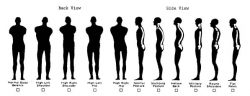
We often hear that good posture is essential for good health. We recognize poor posture when we see it formed as a result of bad habits carried out over years and evident in many adults. But only few people have a real grasp of the importance and necessity of good posture.

What is posture?
Posture is the position in which we hold our bodies while standing, sitting, or lying down. Good posture is the correct alignment of body parts supported by the right amount of muscle tension against gravity. Without posture and the muscles that control it, we would simply fall to the ground.

Normally, we do not consciously maintain normal posture. Instead, certain muscles do it for us, and we don't even have to think about it. Several muscle groups, including the hamstrings and large back muscles, are critically important in maintaining good posture. While the ligaments help to hold the skeleton together, these postural muscles, when functioning properly, prevent the forces of gravity from pushing us over forward. Postural muscles also maintain our posture and balance during movement.

Why is good posture important?
Good posture helps us stand, walk, sit, and lie in positions that place the least strain on supporting muscles and ligaments during movement and weight-bearing activities. Correct posture:
  • Helps us keep bones and joints in correct alignment so that our muscles are used correctly, decreasing the abnormal wearing of joint surfaces that could result in degenerative arthritis and joint pain.
  • Reduces the stress on the ligaments holding the spinal joints together, minimizing the likelihood of injury.
  • Allows muscles to work more efficiently, allowing the body to use less energy and, therefore, preventing muscle fatigue.
  • Helps prevent muscle strain, overuse disorders, and even back and muscular pain.
To maintain proper posture, you need to have adequate muscle flexibility and strength, normal joint motion in the spine and other body regions, as well as efficient postural muscles that are balanced on both sides of the spine. In addition, you must recognize your postural habits at home and in the workplace and work to correct them, if necessary.

Consequences of poor posture
Poor posture can lead to excessive strain on our postural muscles and may even cause them to relax, when held in certain positions for long periods of time. For example, you can typically see this in people who bend forward at the waist for a prolonged time in the workplace. Their postural muscles are more prone to injury and back pain.

Several factors contribute to poor posture-most commonly, stress, obesity, pregnancy, weak postural muscles, abnormally tight muscles, and high-heeled shoes.  In addition, decreased flexibility, a poor work environment, incorrect working posture, and unhealthy sitting and standing habits can also contribute to poor body positioning.

How do I sit properly?
  • Keep your feet on the floor or on a footrest, if they don't reach the floor.
  • Don't cross your legs. Your ankles should be in front of your knees.
  • Keep a small gap between the back of your knees and the front of your seat.
  • Your knees should be at or below the level of your hips.
  • Adjust the backrest of your chair to support your low- and mid-back or use a back support.
  • Relax your shoulders and keep your forearms parallel to the ground.
  • Avoid sitting in the same position for long periods of time.
How do I stand properly?
  • Bear your weight primarily on the balls of your feet.
  • Keep your knees slightly bent.
  • Keep your feet about shoulder-width apart.
  • Let your arms hang naturally down the sides of the body.
  • Stand straight and tall with your shoulders pulled backward.
  • Tuck your stomach in.
  • Keep your head level-your earlobes should be in line with your shoulders. Do not push your head forward, backward, or to the side.
  • Shift your weight from your toes to your heels, or one foot to the other, if you have to stand for a long time.
What is the proper lying position?
  • Find the mattress that is right for you. While a firm mattress is generally recommended, some people find that softer mattresses reduce their back pain. Your comfort is important.
  • Sleep with a pillow. Special pillows are available to help with postural problems resulting from a poor sleeping position.
  • Avoid sleeping on your stomach.
  • Sleeping on your side or back is more often helpful for back pain.
  • If you sleep on your side, place a pillow between your legs.
  • If you sleep on your back, keep a pillow under your knees.
Can I correct my poor posture?
In a word, yes. Remember, however, that long-standing postural problems will typically take longer to address than short-lived ones, as often the joints have adapted to your long-standing poor posture. Conscious awareness of your own posture and knowing what posture is correct will help you consciously correct yourself. With much practice, the correct posture for standing, sitting, and lying down will gradually replace your old posture. This, in turn, will help you move toward a better and healthier body position.

Your doctor of chiropractic can assist you with proper posture, including recommending exercises to strengthen your core postural muscles. He or she can also assist you with choosing proper postures during your activities, helping reduce your risk of injury.

Dr. Matthew Fiebelkorn is a Stillwater Chiropractor who teaches,speaks, and writes about wellness and health issues for adults and children and on improving their quality of life through healthier lifestyle choices.  For more information on Dr. Fiebelkorn, visit his web site. Or Call Today (651)300-0150!

http://www.healthsourceofstillwater.com
651-300-0150

Contributors